Krytek field pilot

Environmental Sensing

As extreme heat becomes more frequent and intense, cities need better evidence to understand how heat is distributed across urban environments and where its impacts are greatest. At the University of Tasmania, ranked #1 in the world for Climate Action, Krytek contributed to an Australian Research Council-funded project examining urban heat patterns and informing more effective approaches to greenspace, urban planning and climate adaptation across Australian cities.

ARC-backed research Urban heat & equity Hobart, Tasmania
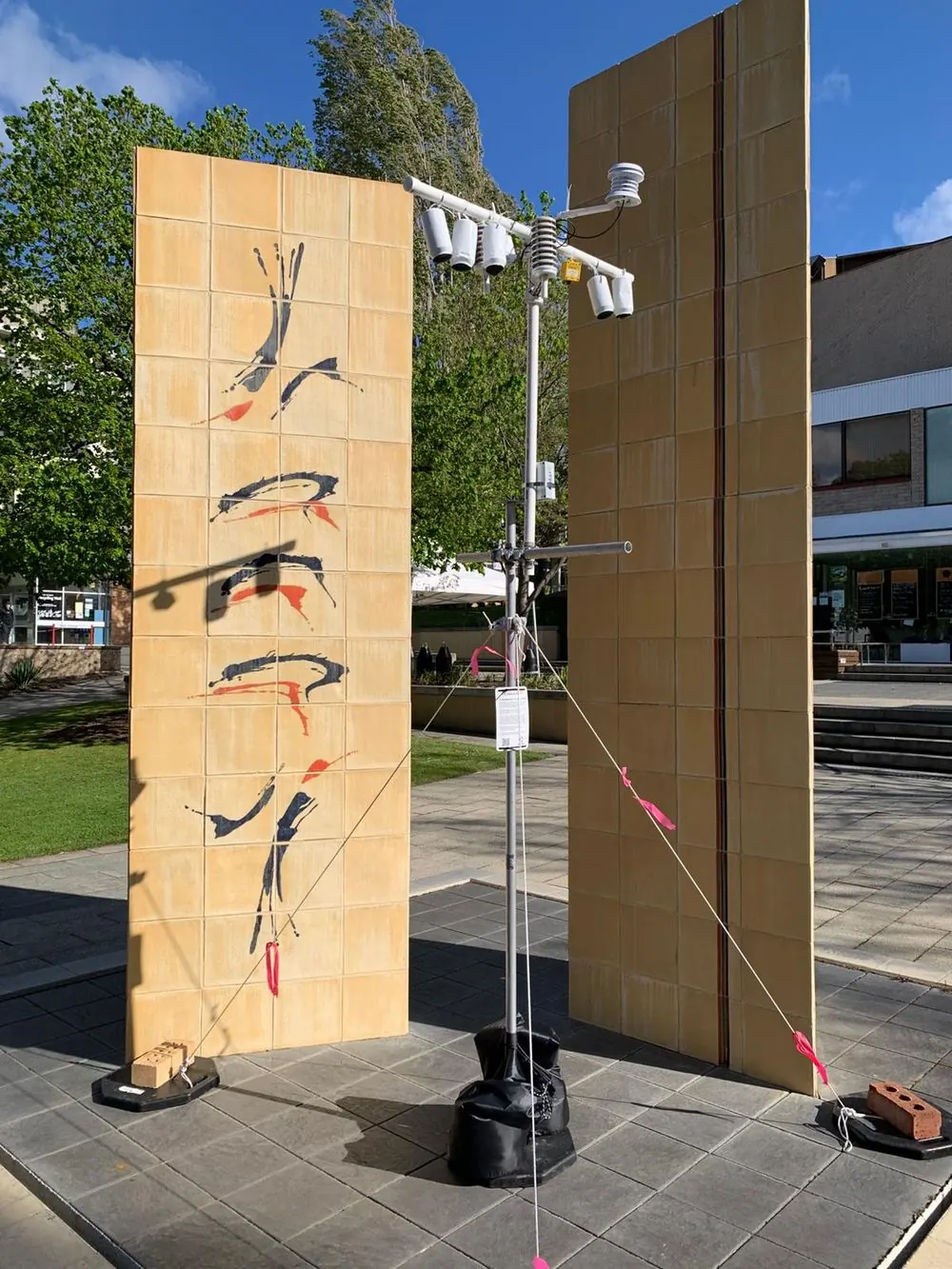
Environmental sensor station deployed outdoors at the University of Tasmania
Lazenby's Central - Sandy Bay

Phase One · Field validation

From one sensor to a distributed field network.

The first step in scaling Krytek was proving that environmental observations could be collected across multiple physical locations and made remotely accessible through one connected system. Nine sensing sites were deployed across the University of Tasmania’s Sandy Bay campus.

9 sites Distributed field deployment
30 min Observation interval
Remote Near real-time collection

Once deployed, the field nodes collected observations every 30 minutes and made them available remotely in near real time, reducing the need to physically visit each sensing location. The deployment operated autonomously with minimal routine intervention, establishing the first step from isolated sensing to distributed, remotely observable infrastructure.

The challenge

Scaling Connectivity Across Fragmented Devices & Networks.

The challenge is that useful devices remain fragmented by protocol, range, vendor ecosystems and infrastructure dependence, making them difficult to connect, scale and operate reliably across real-world environments - specifically where internet or conventional networks are limited.

01 Existing devices

Existing devices remained isolated

UTAS had high-accuracy environmental sensors in inventory, but they operated as isolated instruments. Connecting them rather than replacing them preserved existing equipment, avoided additional cost and electronic waste, and brought their data into a connected ecosystem.

02 Different protocols

BLE ≠ LoRaWAN

The HOBO MX2302A used Bluetooth Low Energy, providing roughly 100 ft (30 m) of direct wireless access. The long-range infrastructure available across the campus used LoRaWAN, creating a protocol and range boundary between the sensor and remote data access.

03 Remote access

Data needed to be accessible anywhere

Nine sensing sites were distributed across the Sandy Bay campus. Researchers needed near real-time access to observations from wherever they were, rather than travelling to each sensor to manually collect and download data.

04 Connectivity failure

Network loss could become data loss

A sensor could continue measuring even while the communications path was unavailable. If observations existed only in transit, a network interruption could create permanent gaps in the research dataset.

05 Power

No power means no observation

Field equipment had to remain operational for extended periods without permanent mains power or routine intervention. A depleted node could interrupt collection and create another gap in the dataset.

06 Data continuity

Every observation mattered

Environmental research depends on comparing conditions across locations and over time. Missing intervals reduce the value of that record, making reliable timestamped collection and preservation essential.

A sensor can be working perfectly while its data is still unreachable.

The result

From 30 metres to kilometre-scale reach.

Krytek connected the short-range Bluetooth sensors to long-range communications infrastructure, carrying observations across the Sandy Bay campus to a live dashboard without someone needing to visit each sensing site.

Reach was only half of it. When upstream connectivity was unavailable, the field hardware continued collecting observations locally so the record could keep building. Once deployed, the nodes operated autonomously with minimal routine intervention.

18,466sensor readings collected
33 daysof continuous operation
30 m to 1 kmreach of the same trusted sensor
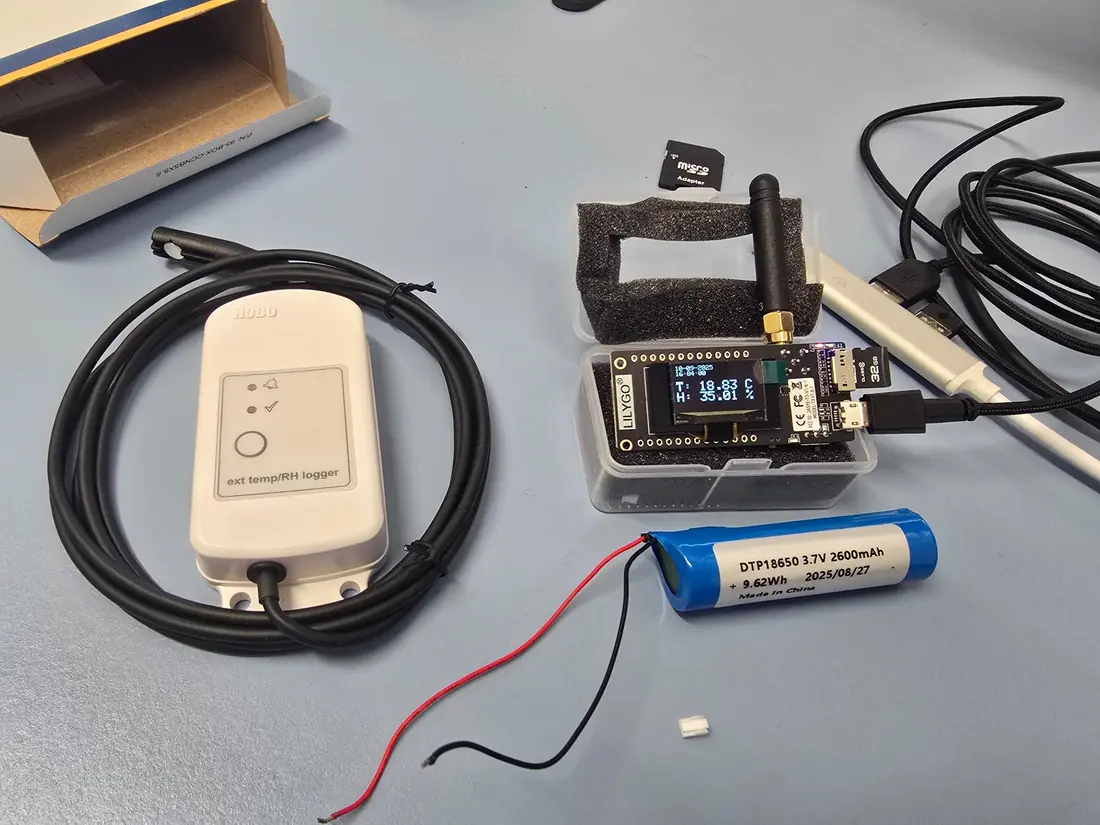
HOBO MX2302A sensor beside the Krytek field node displaying live temperature and humidity observations
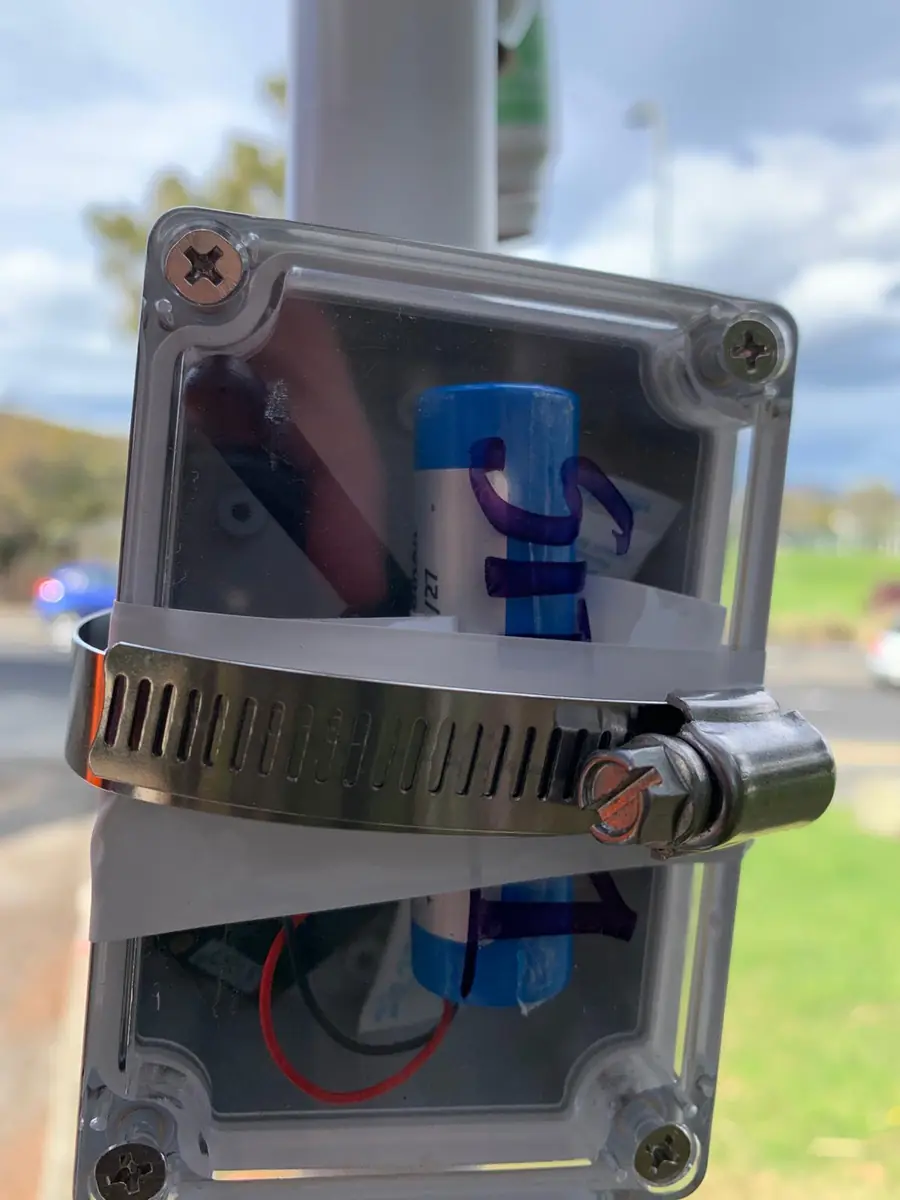
Close-up of a Krytek field node operating in its weather-resistant enclosure
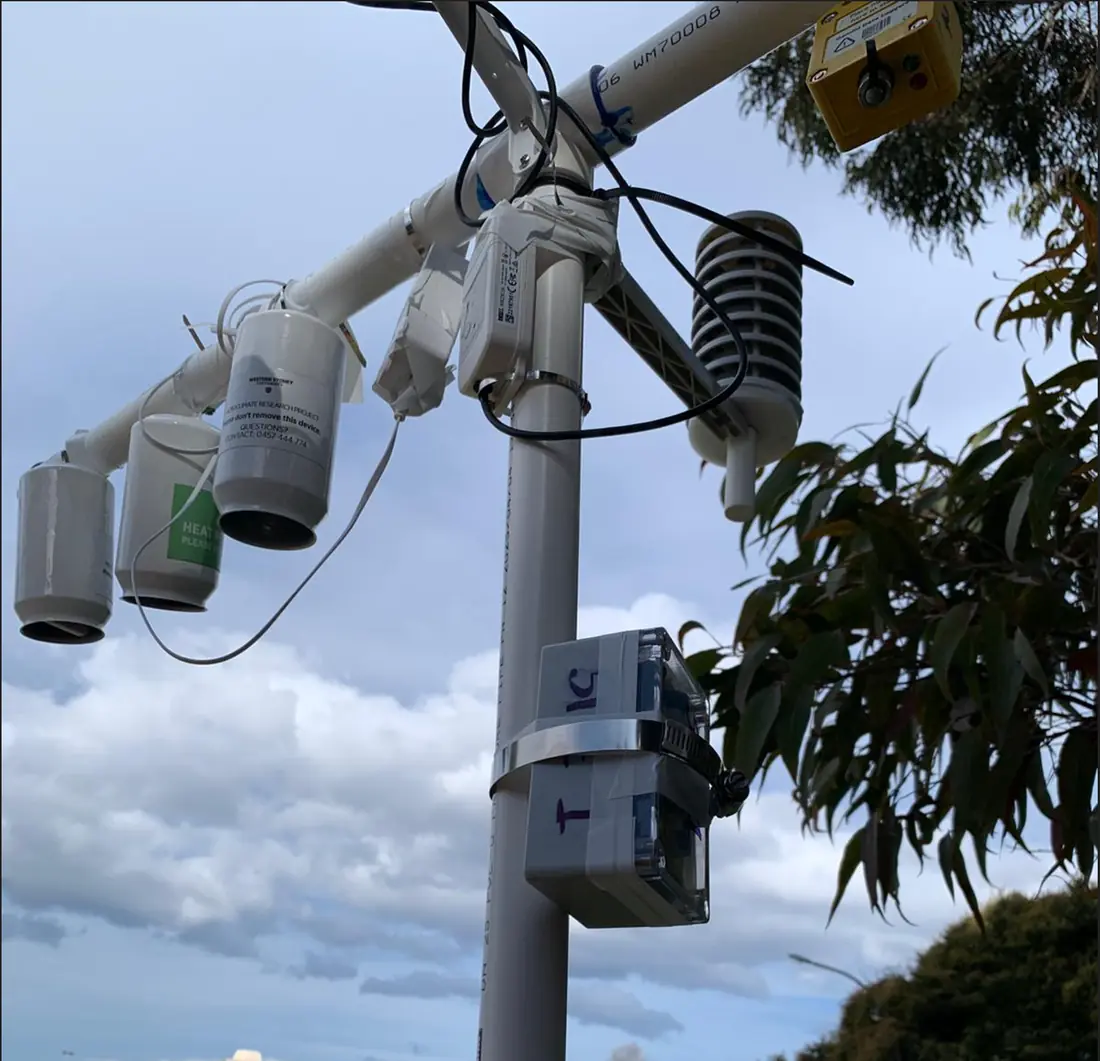
Krytek field node mounted alongside existing environmental sensing equipment at the University of Tasmania

Research | Climate Action | Technology

Together, we address complex challenges by connecting knowledge, evidence and innovation to better understand patterns, inform decisions, and support meaningful action.

Get in touch